If you’ve ever spent hours climbing Clash Royale’s ladder, testing new deck combinations, or screaming at your screen when a last-minute Hog Rider takes your tower, you’ve probably wondered at some point who created Clash Royale. The fast-paced 1v1 strategy game has dominated mobile app stores for years, blending easy-to-learn mechanics with deep competitive depth that keeps casual and pro players coming back. It’s not just a random hit, either; it’s the product of a small, focused team with a track record of making some of the most popular mobile games of all time.
Who Created Clash Royale, Exactly?
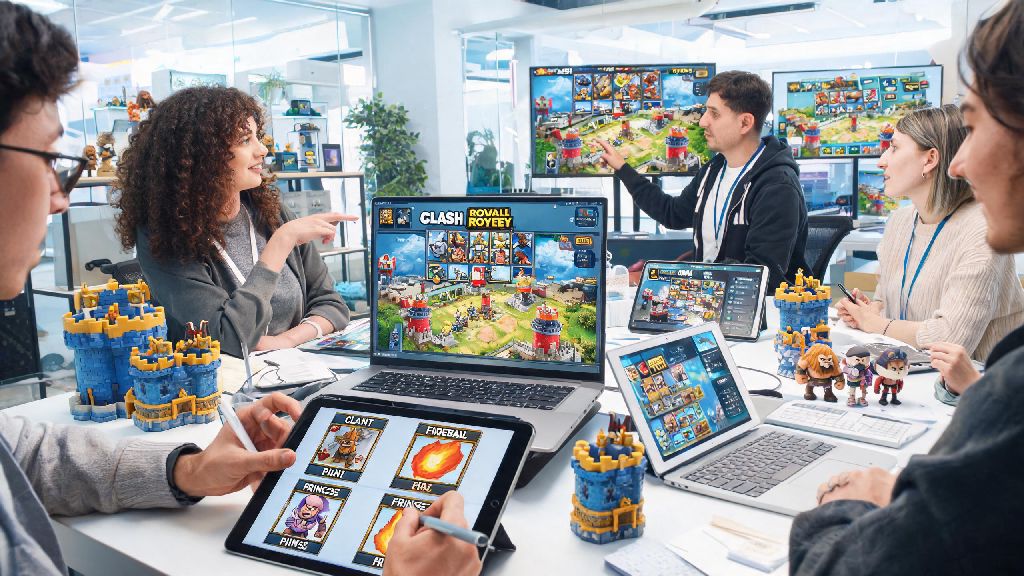
Clash Royale was built by a small internal team at Supercell, the Helsinki-based game studio behind Clash of Clans, Brawl Stars, and Hay Day. The team had 15 core members at launch, most of whom had already worked on Clash of Clans for years, so they knew the Clash IP and mobile player habits inside out. Unlike big studio projects that employ hundreds of developers, Supercell uses small, autonomous teams that can test and iterate on ideas fast without layers of corporate approval.
The team first started working on the project in 2014, after noticing that most mobile strategy games either required hours of play per session or lacked real competitive depth. They wanted to build something that fit into short mobile play sessions but still had enough skill ceiling to keep players engaged for years. The first working prototype took just 6 weeks to build, and they spent the next 18 months testing, adjusting, and cutting features before the global launch.
The Core Design Philosophies That Shaped Clash Royale
When the team who created Clash Royale first mapped out the design, they had three non-negotiable rules that guided every decision. First, every match had to be short enough to play on a commute or work break. 3-minute match length was non-negotiable for the team, as their data showed most mobile players only have 2 to 5 minutes of free time for a single play session. Longer matches would mean players would put the game down more often, so they built the entire loop around that tight time limit.
Second, the game had to be accessible to people who had never played a strategy game before. Using existing Clash of Clans characters like Barbarians, Archers, and Giants meant players who already knew the IP could jump right in without learning a whole new set of units. They also kept controls extremely simple: tap to place a card, drag to aim, no complicated button combinations to memorize.
Third, the game had to be fair for players who didn’t want to spend money. Every card in the launch set was designed to have at least one clear counter, to prevent pay-to-win scenarios where players who bought more cards automatically won. They also capped card levels for competitive play early on, so skill always mattered more than how much money you spent on upgrades. I’ve played since launch, and I still appreciate that I can climb to high leagues without spending a dime, as long as I practice my deck and learn matchups.
Surprising Secrets From Clash Royale’s Early Development
The development process wasn’t seamless, and the team cut dozens of features that almost made it to the final launch. Supercell is famous for scrapping entire games that don’t meet their quality standards, even if they’ve spent years working on them, so a lot of ideas got left on the cutting room floor for Clash Royale too. Here are some of the most interesting scrapped features and early testing facts:
Most of these cuts were intentional, and the team has said they think the game is better for leaving these features out. Supercell famously scraps 80% of the game projects it starts, so Clash Royale beating those odds is even more impressive when you look at how many ideas got discarded before launch. The team only moved forward with features that made the core gameplay more fun, accessible, or fair, no matter how much time they spent building them.
How the Original Team Shapes Clash Royale Today
Most of the original core team still leads Clash Royale development, even as the game has grown to have hundreds of millions of players worldwide. They still use the same small-team approach, and every team member is required to play the game for at least 2 hours a week when testing new updates, so they know exactly how changes feel for regular players. They also actively solicit feedback from the community, reading Reddit threads, Discord messages, and social media comments every day to adjust balance changes and plan new features.
For example, the recent card evolution system was built after thousands of players asked for more ways to customize their favorite cards without making the game pay-to-win. The team spent 18 months testing different versions of the system before rolling it out, and they adjusted the cost and power of evolutions multiple times based on community feedback during beta testing. All balance changes are tested for at least 4 weeks by both the development team and pro players before they go live, to avoid breaking the meta for casual players who don’t have time to adjust to sudden shifts every month.
They still prioritize keeping matches short and fair, even as they add new content, and they’ve turned down multiple opportunities to add pay-to-win features that would make them more money in the short term, but hurt the game long term. I’ve seen a lot of mobile games get bloated and unrecognizable years after launch, but Clash Royale still feels like the same fun, fast game I fell in love with, just with more options to play.
Next time you load up a match and get that perfect win with your go-to deck, take a second to appreciate the small, passionate group who created Clash Royale. They didn’t just make a hit mobile game; they built a competitive community that’s still going strong years after launch. Whether you’re a casual player who only logs in for daily rewards or a pro competing in global tournaments, every part of the game traces back to that small team’s goal of making a fast, fun, fair strategy game that anyone can pick up and play. If you haven’t checked out the latest updates, there’s never been a better time to jump back in and see what the team has been working on lately.