If you’ve ever scrolled through app store top charts or seen friends yelling at their phones during a 3-minute match, you’ve probably heard of Clash Royale. But if you’re new to the Supercell ecosystem, you might be asking what type of game is Clash Royale, and if it’s worth picking up in the first place. I’ve been playing on and off for 7 years, hit Legend League three times, and still play a few matches a week when I’m waiting for coffee or commuting. This guide breaks down exactly what the game is, who it’s for, and what you can expect if you decide to download it.
What Type of Game is Clash Royale, Exactly?
At its core, Clash Royale is a hybrid of three different game genres: real-time strategy, tower defense, and collectible card game. It’s set in the same Clash universe as Clash of Clans, so many of the characters (Barbarian, Archer, Giant, Wizard) will be familiar if you’ve played that game before, but you don’t need any prior Clash knowledge to understand how to play. Matches are almost exclusively 1v1, last a maximum of 4 minutes, and focus on destroying your opponent’s towers before they destroy yours. It blends fast-paced real-time action with strategic deck building, so no two matches ever feel exactly the same.
Unlike traditional card games, you don’t take turns making plays. You use a resource called elixir to place cards on the battlefield in real time, so you have to think on your feet and react to your opponent’s moves instantly. It’s also not a standard tower defense game, because you’re both defending your own towers and attacking your opponent’s at the same time. That hybrid structure is what makes it stand out from every other mobile game on the market, and why it’s still so popular years after its release.
Core Game Mechanics That Define Clash Royale
To understand what makes Clash Royale unique, you have to get familiar with its three core mechanics: elixir, decks, and towers. Elixir regenerates automatically every 2.8 seconds, and every card you place costs between 1 and 7 elixir. That means you can never just spam your strongest cards over and over, you have to manage your resources carefully to avoid being left defenseless when your opponent attacks. In the last minute of every match, elixir regenerates twice as fast, leading to chaotic, high-stakes pushes that can turn a losing match around in seconds. If both players have the same number of towers destroyed after 3 minutes, the match goes to 1 minute of overtime with triple elixir, so there’s almost never a draw.
Your deck is made up of 8 cards that you pick before each match, and each card has a specific role: tanks that absorb damage, damage dealers that take out enemy units, support cards that buff your troops, and spells that can damage multiple units or towers at once. There are hundreds of possible card combinations, and you can adjust your deck at any time to fit your play style or counter specific opponents you face often. The most common play styles you’ll run into fall into four main categories:
- Rush decks: Low-cost cards that apply constant pressure early, aiming to take a tower in the first 90 seconds before your opponent can set up a counter
- Control decks: Higher-cost, high-damage cards that focus on defending first, then launching a devastating counterpush once your opponent runs out of elixir
- Cycle decks: Ultra low-cost cards that let you cycle through your deck quickly, so you can always have the exact counter you need for your opponent’s plays
- Hybrid decks: Mix elements of rush and control, so you can switch play styles mid-match to catch your opponent off guard
The best part about these mechanics is that you don’t have to master all of them to have fun. Casual players can stick to a simple rush deck with their favorite cards and still win more matches than they lose, while competitive players can spend hours testing tiny deck adjustments to climb the ranked ladder. I started with a simple giant-rush deck when I first played, and I still use a variant of it when I’m playing casual matches, because it’s easy to learn and works against most low to mid-tier decks. If you’re just starting out, that’s a great first deck to build: Giant, Archers, Mini P.E.K.K.A, Fireball, Zap, Skeleton Army, Barbarians, Goblins. It’s cheap, balanced, and teaches you the basics of elixir management without overwhelming you.
Who is Clash Royale For (and Who Should Skip It?)
Clash Royale is such a versatile game that it fits a lot of different player types, but it’s not for everyone. First, it’s perfect for anyone who likes short, engaging games they can play in between other tasks. If you only have 5-10 minutes of free time at a stretch, Clash Royale is basically made for you. You can play a full match while waiting for your food to cook, during your commute, or on your lunch break, no long commitment required. It’s also a great fit for people who like friendly competition without the commitment of games like League of Legends or Valorant, where a single match can take 40 minutes or more, and leaving mid-match gets you penalized. In Clash Royale, if you have to quit a match halfway because your bus came, you only lose a few trophies, no big penalty.
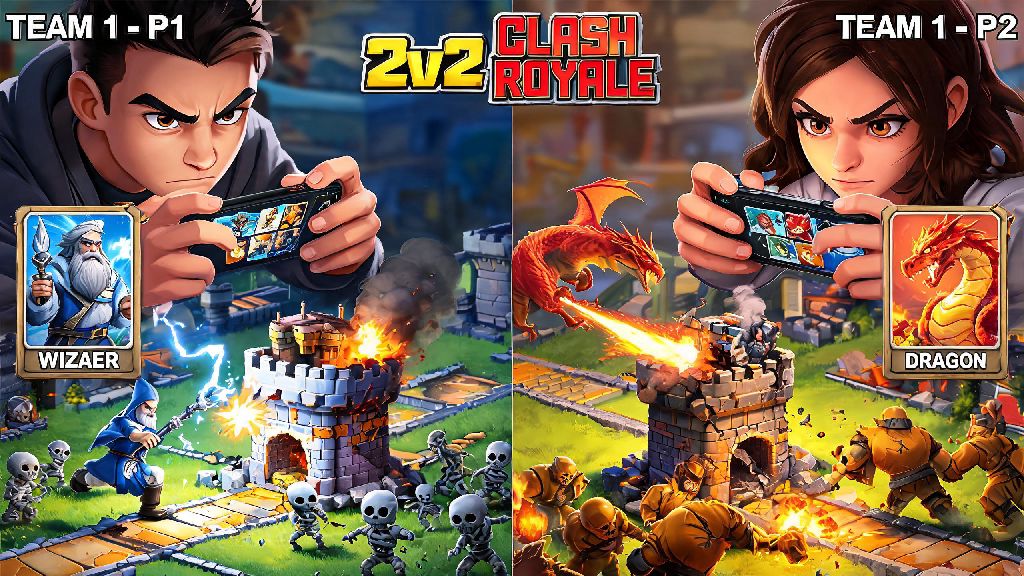
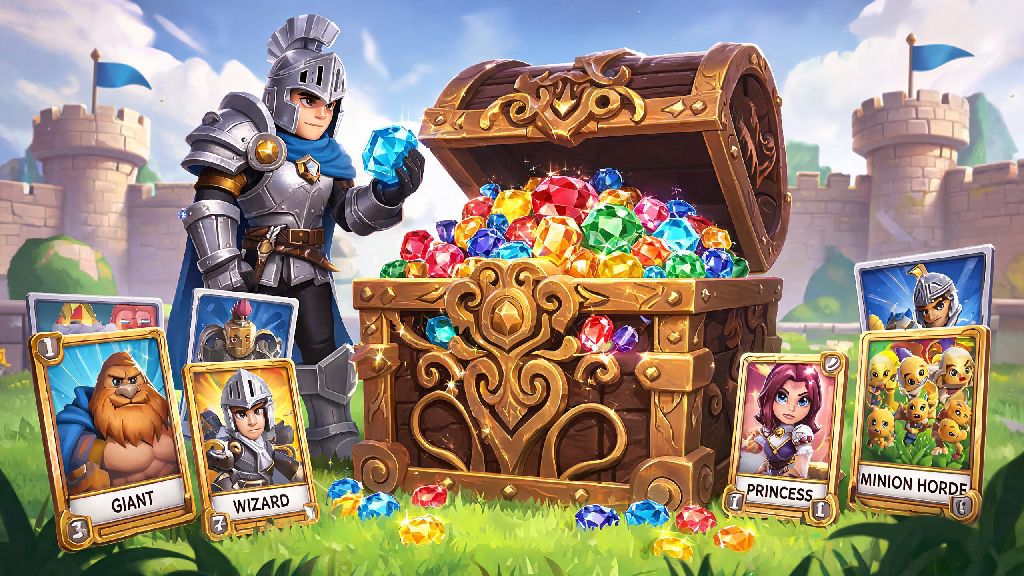
It’s also great for players who love collecting things or customizing their play experience. There are over 100 cards to unlock, and new cards are added every few months, so you can constantly tweak your deck to find a play style that feels perfect for you. If you like playing with friends, the 2v2 mode lets you team up with one other person to take on other pairs, and you can join clans to play clan wars and share cards with other members.
That said, Clash Royale isn’t for everyone. If you hate games that have any sort of pay-to-progress mechanic, you might get frustrated at first. You can unlock every card in the game for free, but paying for the premium pass lets you level up your cards faster and get more rewards each month. The matchmaker pairs you with players of similar card and king level, so you won’t face someone with way stronger cards just because they paid, but newer players who don’t want to spend any money might feel like progress is slow at first. If you get frustrated easily by small, random losses, you might want to stick to more slow-paced strategy games instead. I’ve had days where I lost 5 matches in a row because I was making stupid mistakes, and I just put the game down for a week, no harm done. It’s only as high-stakes as you make it.
What to Expect Your First Week Playing Clash Royale
Your first time opening the game, you’ll go through a 5-minute tutorial that teaches you the basics of placing cards, managing elixir, and destroying towers. After that, you’ll unlock the first set of common cards and be thrown into your first real match against another new player. Don’t stress if you lose your first few matches, almost everyone does while they’re getting used to the controls and card interactions. Stick to upgrading 1-2 decks first, so you don’t run out of gold right when you unlock a rare card you actually want to use. A lot of new players make the mistake of upgrading every card they unlock, and then they don’t have enough gold to upgrade the cards they actually use in their main deck.
You’ll also start getting chests as you win matches, which take anywhere from 15 minutes to 12 hours to unlock. You don’t have to wait around for them to open, just set them to unlock and come back later, so you don’t have to grind for hours to get new cards. Many new players feel like they have to log in every hour to open chests, but you don’t, you can play once a day and still progress at a reasonable pace. As you level up, you’ll unlock new game modes: 2v2 matches with friends, special challenge modes with unique rules, and clan wars where you play with other clan members to earn exclusive rewards. Joining a clan early is a great idea, because you can request cards from other members to level up faster, and get tips from more experienced players.
Don’t stress about climbing the ranked ladder in your first month. Most players take at least 2-3 months to learn all the card interactions and build a deck that fits their play style. I remember my first month, I thought the Prince was the most overpowered card in the game, until I learned that a simple Skeleton Army can take him down for 3 elixir less. Take your time, experiment with different cards, and don’t get mad if you lose. The whole point is to have fun, after all.
At the end of the day, asking what type of game is Clash Royale only gets you half the answer. It’s a hybrid strategy, card, and tower defense game, but it’s also whatever you want it to be: a casual time-waster for your commute, a competitive game you grind for hours to hit Legend League, or a fun game you play with friends on 2v2 nights. If you haven’t tried it yet, it’s free to download, and you don’t have to spend a dime to have dozens of hours of fun with it. Just remember to turn off emotes if you get tilted easily, and don’t waste all your gold on upgrading common cards you’ll never use after the first few levels.